← Back to list
How to Perform Technical Analysis
2024-03-20Analysis#Technical Analysis#Charts#Indicators
📑 Table of Contents
- Introduction
- Step 1: Read Candlesticks
- Step 2: Identify Support & Resistance
- Step 3: Use Trend Lines
- Step 4: Apply Indicators
- ❓ FAQ
Introduction
Technical analysis is the art of reading chart patterns to predict future price movements. It relies on the principle that history tends to repeat itself.
Step 1: Read Candlesticks
Japanese Candlesticks provide more info than line charts.
- Body: Open vs Close price.
- Wick (Shadow): High vs Low price.
- Green: Price went up.
- Red: Price went down.
Step 2: Identify Support & Resistance
- Support: A price level where the asset has difficulty falling below. ( Floor).
- Resistance: A price level where the asset has difficulty rising above. (Ceiling).
Step 3: Use Trend Lines
Draw lines connecting the highs or lows.
- Uptrend: Higher highs and higher lows.
- Downtrend: Lower highs and lower lows.
- Sideways: Price moves in a horizontal channel.
Step 4: Apply Indicators
Use tools to confirm your analysis.
- RSI: Detects overbought (>70) or oversold (<30) conditions.
- Moving Averages: Smooth out price action to show the general direction.
❓ FAQ
What is the best indicator?
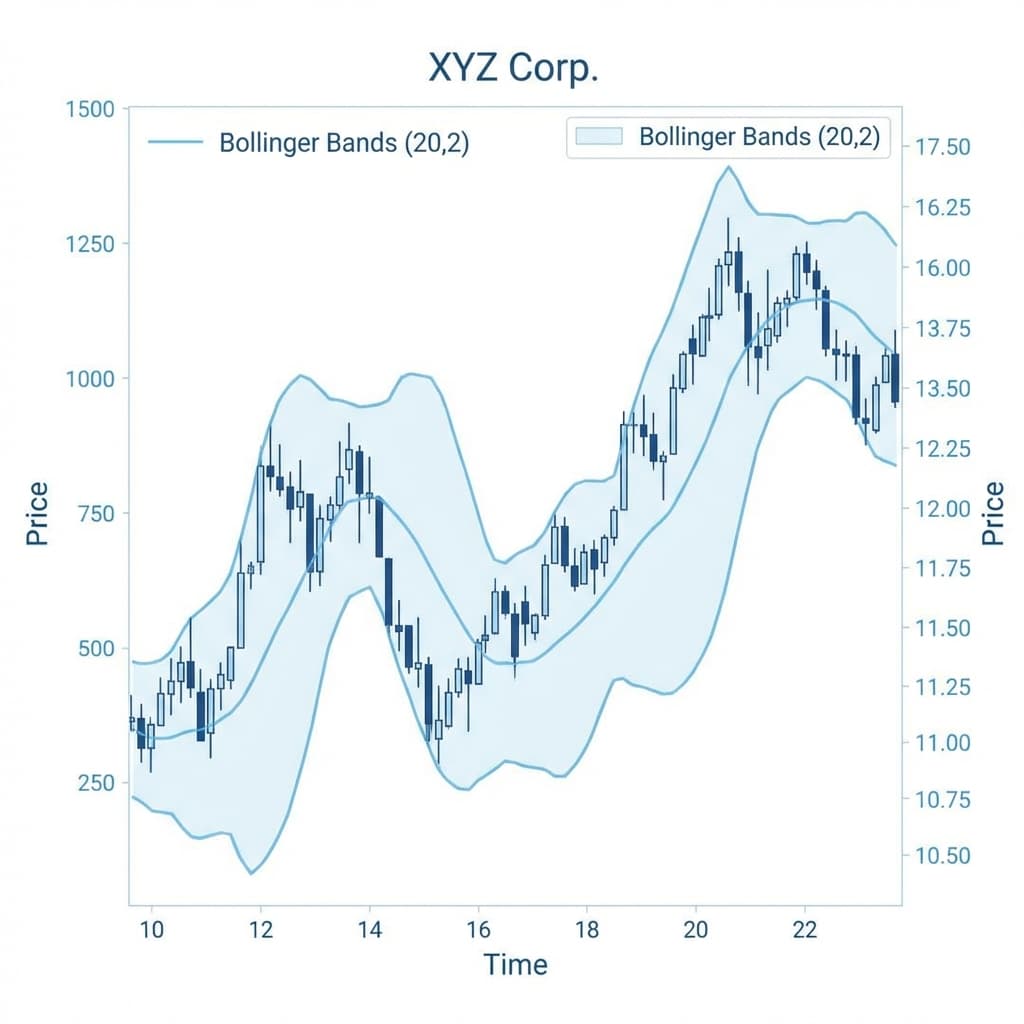
There is no single "best" indicator. Popular ones include RSI, MACD, and Bollinger Bands, but they work best when combined with price action.
Do I need to check the news?
Yes! Fundamental news (e.g., NFP, Interest Rates) can invalidate technical analysis in seconds. Always check the economic calendar.